


Construction sites often have unique air quality problems. Dust, fumes, and chemicals fill the air there. These elements can harm workers' health. Regular air purifiers usually can't handle these tough conditions. Finding the best air purifier for construction sites is crucial for staff safety.
You really need commercial-grade air purification. It keeps your team safe and helps you follow safety rules. For a broader overview of climate control, explore our HVAC solutions guide for commercial environments. First, you need to understand these issues. Then you can pick the best air purifier for construction sites.
Addressing Air Quality Challenges on Construction Sites
Identifying Common Airborne Pollutants on Job Sites
Construction work creates a lot of harmful dust and particles. Concrete cutting, grinding, and mixing release much silica dust. This fine dust can cause serious lung problems. Jobs like sanding drywall or cutting wood also produce drywall and wood dust.
These particles irritate your lungs and airways. They can lead to long-term health issues. Effective air purification is key to protecting workers from these common dusts. Choosing the best air purifier for construction sites targets these specific pollutants effectively.
Besides dust, many building materials release volatile organic compounds (VOCs). These come from paints, adhesives, sealants, and solvents. VOCs make indoor air quality bad. They can cause headaches, dizziness, and other long-term problems.
Welding fumes and diesel exhaust also release tiny particles and toxic gases. These microscopic particles are dangerous. They can get deep into your lungs. Good ventilation and special air purifiers are crucial to reduce these dangers on a job site. For severe cases, having the best air purifier for construction sites is non-negotiable.
The Critical Role of HEPA Filtration for Construction Environments
High-Efficiency Particulate Air (HEPA) filtration is key for cleaning construction site air. HEPA filters trap very tiny particles, which are common on job sites. These filters capture at least 99.97% of airborne particles, even those as small as 0.3 microns. This includes dust, pollen, mold spores, and many bacteria.
For tough construction sites, you often want specific HEPA standards like H13 or H14. An H13 HEPA filter captures 99.95% of particles at 0.3 microns. An H14 filter gets 99.995% efficiency. These higher ratings are vital for sites with a lot of dust.
Using advanced air purifiers makes the workplace safer. They stop workers from breathing in dangerous particles. This greatly improves the air quality across the site. The best air purifier for construction sites will feature these high-grade HEPA filters.
Now that we understand the types of pollutants and the role of HEPA, let's look at the specific equipment available.
Choosing the Best Air Purifier for Construction Sites: Equipment Options
Air Purifiers vs. Air Scrubbers: Matching Equipment to Site Needs
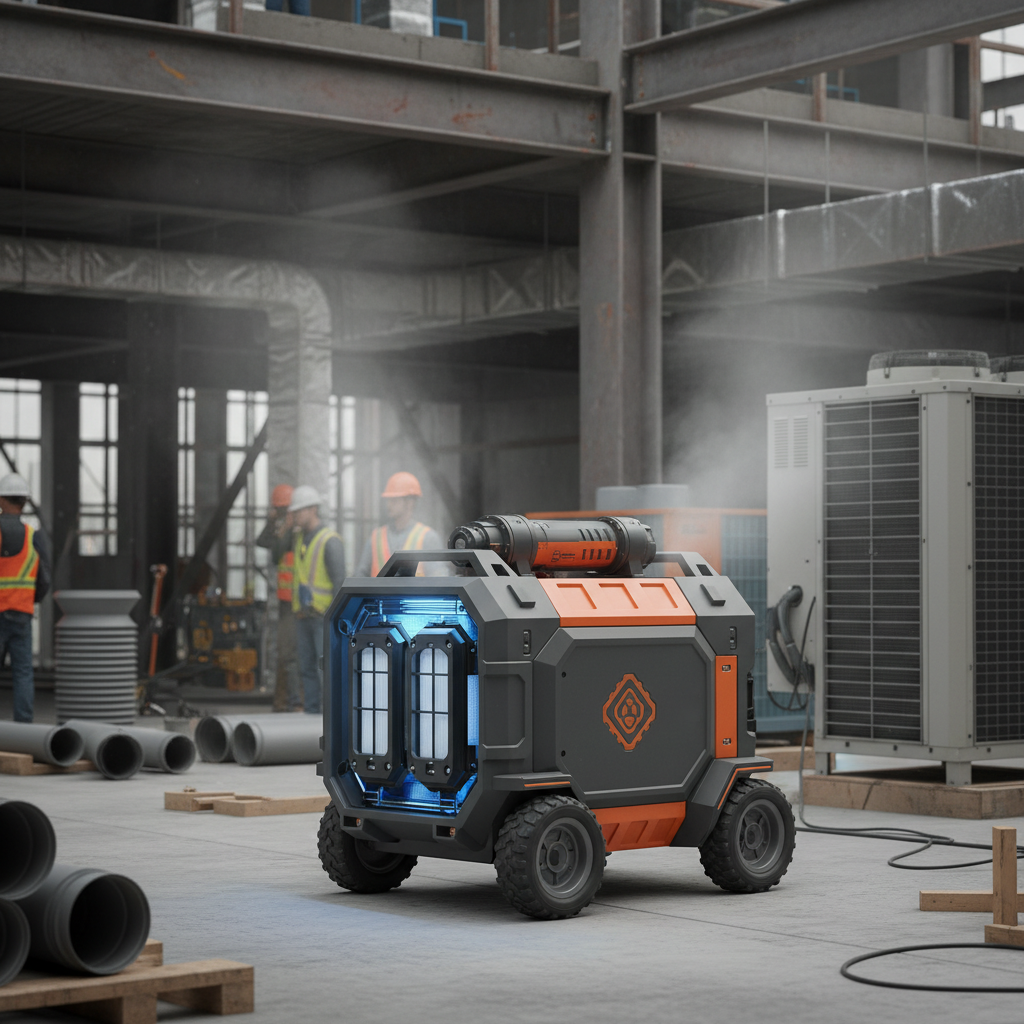
Industrial air purifiers and air scrubbers both clean the air. But their main jobs are quite different. An industrial air purifier provides ongoing air filtration. It deals with general dust, allergens, and airborne particles.
These units help maintain air quality all the time. They work well in occupied or semi-occupied spaces. They are also great at filtering fine particles for long periods.
Air scrubbers, by contrast, handle much heavier amounts of airborne dirt. These are tough machines, built for very dusty places. This includes demolition, sanding, or drywall finishing. Air scrubbers usually create negative pressure, pulling air through many filter stages.
This helps keep dust and particles in one work area. For short, intense dust jobs, an air scrubber is often best. A powerful air purifier can handle a good amount of dust. However, scrubbers really shine with extreme particle loads.
Key Features for Robust Construction Site Air Cleaners
Selecting an effective air cleaner for construction sites needs certain features. Durability is most important. The equipment must stand up to tough job site conditions. Look for units with strong casings and reinforced parts.
Being portable is also key. Built-in wheels and ergonomic handles make moving the units simpler. The best air purifier for construction sites will be easy to transport.
A high Clean Air Delivery Rate (CADR) tells you how fast a unit cleans the air. For big construction areas, a high CADR means it removes contaminants quickly. Variable speed control gives you flexibility. It lets you adjust airflow based on dust levels, saving energy.
Daisy-chaining is another helpful feature. It lets you power many units from just one outlet. This makes setup easier on bigger sites.
Finally, you need multi-stage filtration. This typically includes a pre-filter to catch bigger debris. This makes other filters last longer. A HEPA filter then traps 99.97% of particles, even those 0.3 microns or larger. This is vital for fine construction dust. An activated carbon filter stage helps remove VOCs and odors.
With the right equipment in mind, let's consider the practical aspects of implementing these air quality solutions on your job site.
Practical Considerations for Deploying Air Quality Solutions
Ensuring Safety and Compliance: Relevant Certifications
Deploying equipment on a construction site demands strict safety standards. For air purification equipment, certifications prove they are reliable and safe to use. The CE mark is key for units sold in the European Economic Area, including the UK.
It shows compliance with EU rules. These cover health, safety, and environmental protection. The UK Health and Safety Executive says employers must make sure equipment is safe. Ensuring you have the best air purifier for construction sites also means checking for relevant certifications.
ETL is another important certification. It means the unit meets North American safety standards. You often find ETL on tough equipment worldwide. Looking for these marks helps confirm an air purifier meets tough performance goals. Buying certified air purifiers protects workers and lowers your potential liability. These certifications give you peace of mind about the unit's build and electrical safety.
Budget, Maintenance, and Maximizing Filter Lifespan
The initial purchase price of an industrial air purifier is only one cost. Construction pros need to think about the total cost of owning it. This covers energy use and how often you replace filters. High-efficiency models can mean lower energy bills and longer filter life.
Regular maintenance is vital. It keeps performance steady and controls costs. This involves routine checks and cleaning washable pre-filters. It also means changing clogged filters on time. Many makers suggest checking units visually every day in dusty spots.
To make filters last longer, use pre-filters smartly. They catch bigger particles. This stops the more costly HEPA filters from clogging too soon. Only running the equipment when needed also makes filters last longer.
Sizing units right for the workspace keeps the site cleaner. It also avoids needless costs. Considering these aspects helps choose the best air purifier for construction sites that fits your budget.
Now, let's summarize the key characteristics of a recommended industrial-grade air filtration unit for these demanding environments.
Identifying the Best Air Purifier for Construction Sites: Recommended Features
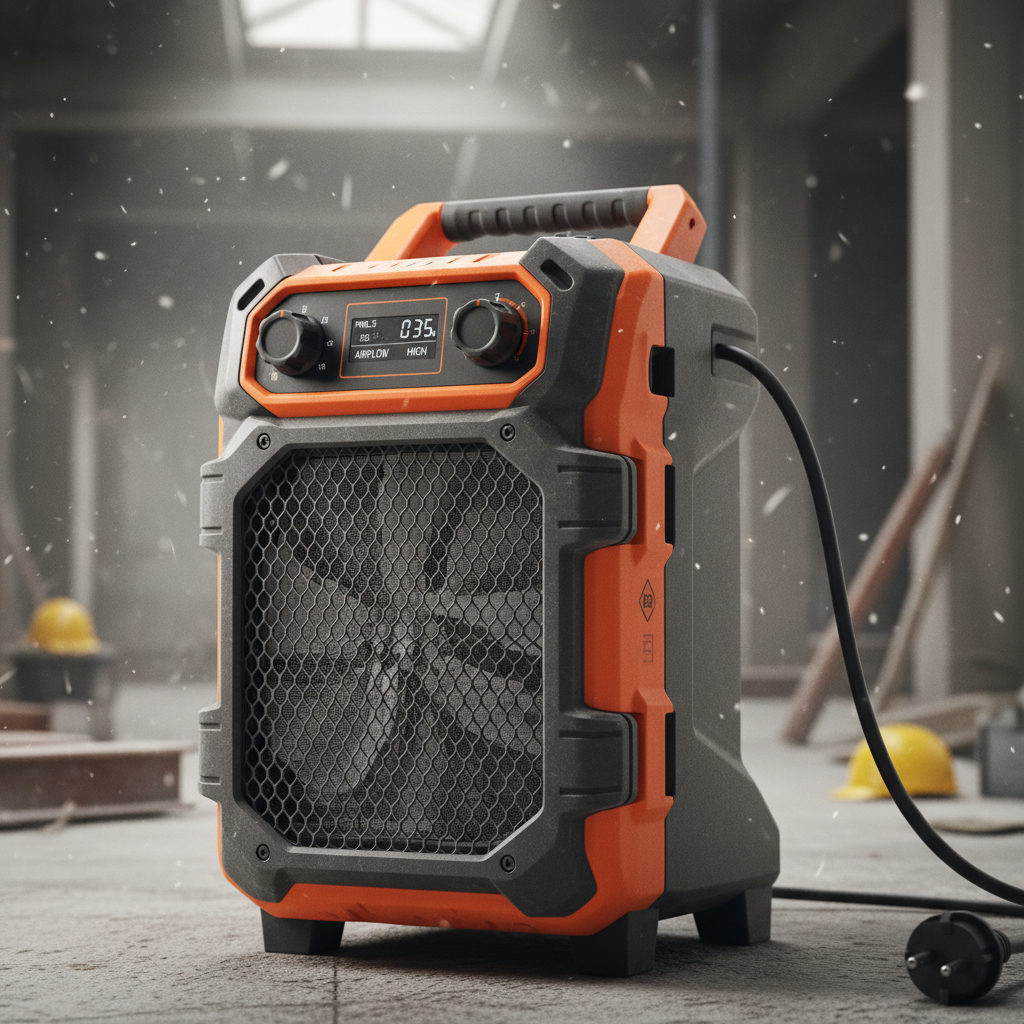
Construction sites need special equipment for air quality. An industrial air filtration unit is often a must-have. These powerful machines deal with tough conditions and a lot of particles. They keep workers safe from dust, silica, and other airborne contaminants.
Putting such a system in place greatly improves the air for everyone on site. This makes it a crucial tool to find the best air purifier for construction sites.
These units are built to be tough and run continuously. Their strong casings often use heavy-gauge steel. This steel resists impacts and rough handling. Built-in wheels and handles make them easier to move around the site.
This strong build ensures reliable performance. It cuts down on downtime during busy work schedules. Such units are vital for site safety and meeting rules. They help meet workplace health standards.
Good filtration is key for these industrial systems. They usually use a multi-stage system for complete air purification. A coarse pre-filter catches bigger dust and debris. This helps other filters last longer.
Next, a HEPA filter traps 99.97% of airborne particles, even those as tiny as 0.3 microns. Some models also have activated carbon filters. These soak up VOCs and odors.
High airflow capacity is another important feature of these industrial air purifiers. They move a lot of air. This means quick air changes in big open spaces. They also work well in enclosed work areas.
This strong air movement quickly pushes dirty air through the system. These units are made for continuous professional use. They offer a dependable way to manage air quality. This is vital in tough construction environments. Ultimately, choosing the best air purifier for construction sites means focusing on durability, advanced filtration, and high performance. This ensures a safer and more productive work environment.
About This Article
Editorial Disclosure: This article was researched and written by our content team to provide helpful, accurate information about best air purifier for construction sites. We regularly review and update our content to reflect the latest industry developments and best practices.
