


The Enduring Advantage of a Stainless Steel Heating Elements Heater
Stainless steel heating elements are a staple in many water heaters today. These components expertly turn electricity into heat, warming your water. This material truly shines compared to copper or regular steel. Its main strength? Incredible resistance to corrosion, which is non-negotiable for any good stainless steel heating elements heater.
Water, especially hard water, can quickly ruin less robust materials. Stainless steel stands up to these tough conditions for years. This durability means your heating element lasts much longer. It also guarantees steady performance over time. You'll find these elements in everything from small immersion heaters to huge industrial boilers. Their reliability makes them a top choice for systems needing clean, efficient water heating. They genuinely boost the performance of any stainless steel heating elements heater.
Why a Stainless Steel Heating Elements Heater Excels in Water Heating Applications
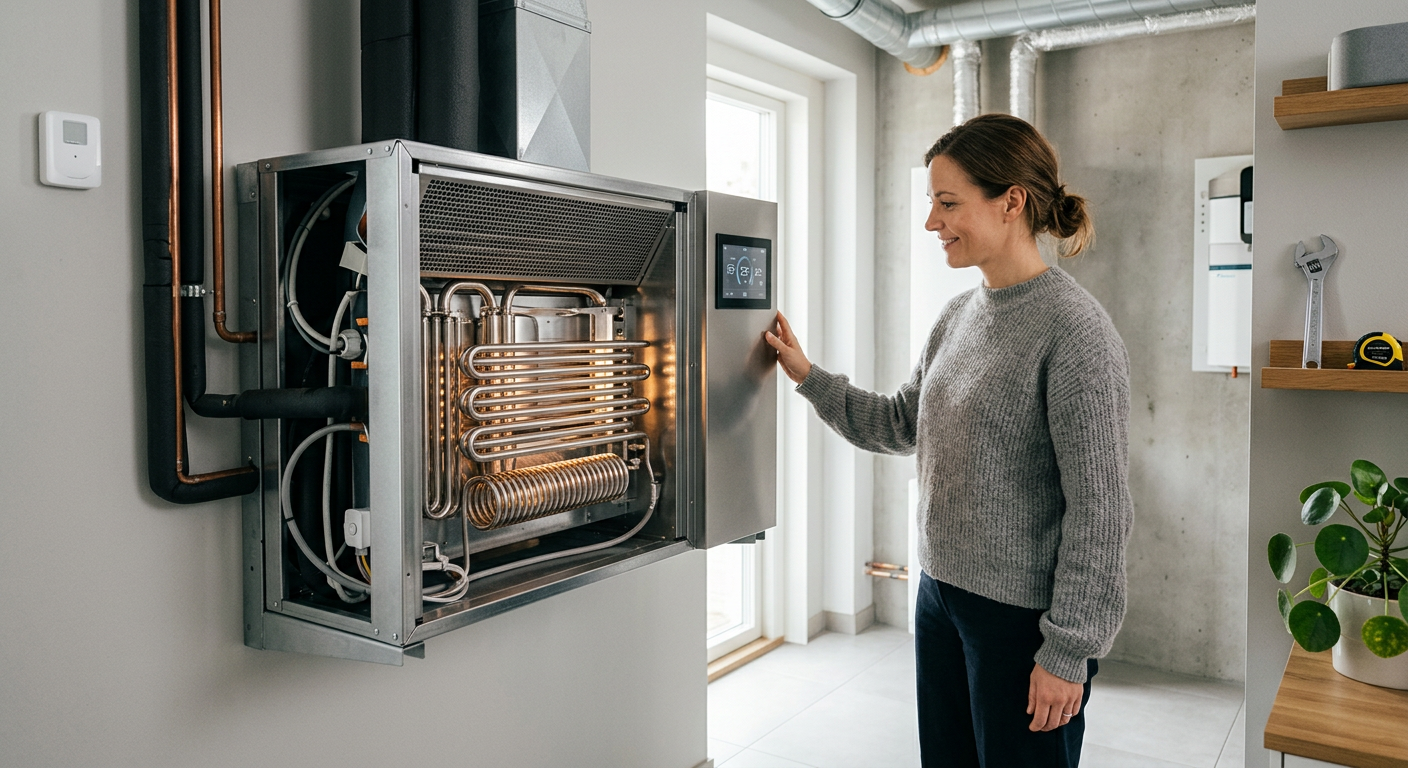
Stainless steel offers clear perks for water heating. Its natural qualities make it a dependable choice for demanding setups. This material promises both long life and efficient use in many places. These benefits are especially important for continuous operation of any stainless steel heating elements heater. Read more in High-Power Industrial Fan Heaters: Comprehensive Guide for U.
Superior Corrosion Resistance in Hard Water Environments
Stainless steel naturally fights off rust and corrosion. This is super important, particularly in hard water areas like much of the UK. Hard water has lots of minerals, like calcium and magnesium. These minerals can quickly degrade other metals, causing scale buildup and pipe issues.
Carbon steel, for example, rusts fast in these conditions. Stainless steel forms a protective chromium oxide layer. This layer acts like a shield, protecting the metal underneath. It resists attacks from chlorides and other harsh agents often found in tap water. This protection really extends the life of any stainless steel heating elements heater.
Grades of Stainless Steel: Understanding 304 and 316 for Your Heater
Different grades of stainless steel perform differently. The two most common are 304 and 316. Each has specific uses, depending on its makeup and cost. Picking the right grade is key for the best results when choosing a stainless steel heating elements heater.
304 Stainless Steel is very common. It contains 18% chromium and 8% nickel. This grade offers good corrosion resistance for most general water heating tasks. It works well in homes and many businesses. Manufacturers often pick 304 because it balances cost and performance. This makes it a popular choice for many everyday uses.
316 Stainless Steel gives you even better protection. It includes molybdenum, usually 2-3%. This addition greatly improves its resistance to chlorides. It's perfect for places with more salt or aggressive chemicals. This makes 316 a better choice for coastal areas or specific industrial uses. It costs more, but its superior durability often justifies the extra expense for long-term reliability. Choosing the right grade prevents your stainless steel heating elements heater from failing too soon.
Applications Across Water Heater Types: From Domestic to Commercial
Stainless steel heating elements serve many purposes. You'll find them in various water heating systems. These elements offer dependability in both homes and businesses. Their tough nature makes them highly adaptable for any job. Keep these uses in mind when picking your next stainless steel heating elements heater.
Stainless Steel in Tankless and Traditional Water Heaters
Stainless steel elements offer specific benefits for different water heaters. In tankless (or instantaneous) models, they resist corrosion well. This is vital because fresh water is always flowing over the element. Traditional storage water heaters also gain from this material. The elements often sit in static water for long periods inside these tanks. Stainless steel prevents rust and scale buildup. This helps keep efficiency high for many years. Both heater types benefit from the element's flexibility. They fit various designs, ensuring steady heat delivery. A stainless steel heating elements heater performs better in both setups.
Considerations for Industrial and Commercial Heating
Industrial and commercial heating demands tough solutions. Large-scale water heating systems rely heavily on stainless steel elements. These environments require extreme durability. High temperatures and constant use are typical. For instance, a busy restaurant might use hundreds of gallons of hot water daily. A hospital needs continuous, reliable hot water for hygiene. A stainless steel heating elements heater meets these intense demands. Its strength ensures a longer operational life. It also stays efficient despite heavy workloads. This greatly reduces downtime and maintenance costs for businesses.
Selecting the Right Stainless Steel Heating Elements Heater for Your Needs
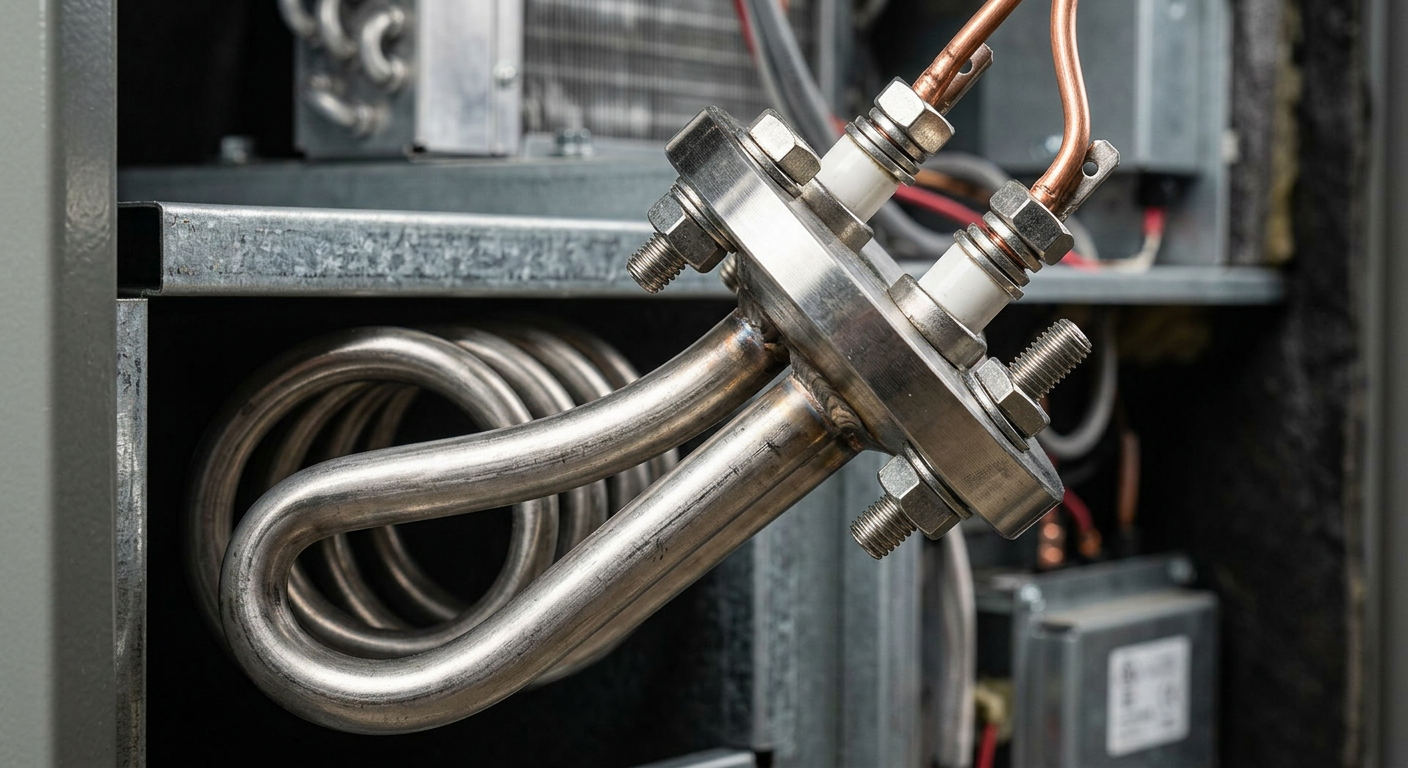
Choosing the correct stainless steel heating element ensures top performance and a long life. Think about a few key things before buying. Matching the element's specs to your system is critical. Quality parts save you money over time. This section will help you pick the best stainless steel heating elements heater for your needs.
Matching Wattage and Voltage to Your System
Correctly matching wattage and voltage is crucial for safety and efficiency. First, check your water heater's current element. You can also look at its specification plate. Most home water heaters run on 240 volts. Some smaller units might use 120 volts. The wattage rating, usually between 1,500 and 5,500 watts, must match your tank's needs. An element with too high a wattage can overload circuits. Too low a wattage will cause slow heating. Always check your water heater manual for exact specifications. Using an undersized element might also shorten its life due to constant running. Proper selection ensures optimal performance for your stainless steel heating elements heater.
Maintenance Tips for Prolonged Element Life
Good maintenance makes your stainless steel heating element last longer. Once a year, drain a few gallons from your water heater tank. This flushes out sediment that can build up around the element. Sediment acts like an insulator, making the element work harder. Hard water areas might need flushing more often. Check the element's connection points for any signs of corrosion. Tighten any loose wires, but always turn off the power first! Think about checking the anode rod every few years. A bad anode rod speeds up element wear. These simple steps protect your investment and extend the life of your stainless steel heating elements heater.
Recommended Stainless Steel Heating Elements Heater Products (UK)
Several types of stainless steel heating elements suit the UK market. We pick these for their strength and steady performance. For home use, immersion heaters with 316L stainless steel are great because of their improved corrosion resistance. This is extra helpful in hard water areas. Industrial uses often need tougher elements. These might be flanged heaters made with 304 or 321 stainless steel. Such units provide high-watt density heating for process tanks. These specific products are great examples of a quality stainless steel heating elements heater.
Manufacturers like Backer and Eltherm offer wide selections. Their products meet strict UK and European standards. For example, cartridge heaters, often made from 304 stainless steel, are popular in machinery. They provide precise, localized heating. Tubular elements with specific watt densities are also key. You find them in commercial catering gear and industrial ovens. When choosing, consider the element's power rating and mounting type. These details ensure compatibility and safe operation in your system. Always choose a reliable stainless steel heating elements heater.
Beyond Efficiency: The Lasting Value of a Stainless Steel Heating Elements Heater
Choosing a stainless steel heating elements heater is a smart move. Their excellent corrosion resistance makes them last much longer. This means fewer replacements and lower repair costs over time. Plus, their sturdy build ensures steady heat transfer for years to come. This long-lasting performance boosts overall operational efficiency. It also cuts down on wasted energy from worn-out parts. For any system that relies on hot liquids, stainless steel offers peace of mind. Think about these elements for industrial heating solutions and various climate control systems. Explore a wider range of heating equipment to see all your options. A quality stainless steel heating elements heater gives you long-term value and reliability.
The Environmental Edge of Stainless Steel Heaters
The environmental benefits of using a stainless steel heating elements heater are huge. Their long life means less waste from frequent replacements. This reduces the need for new manufacturing resources. Plus, their efficient operation means lower energy use. This directly cuts your utility bills and carbon footprint. Companies committed to sustainability often choose stainless steel for these reasons. Stainless steel's recyclability adds another layer of environmental responsibility. After its long service, the material can be reused, reducing landfill waste. Investing in a stainless steel heating elements heater supports both your operational needs and environmental goals.
Innovation in Stainless Steel Heating Technology
Constant innovation keeps making the stainless steel heating elements heater even better. Manufacturers are always creating new alloys and coatings. These improvements further boost corrosion resistance and how well they transfer heat. Smart heating elements, for instance, include sensors and digital controls. This allows for super precise temperature management and diagnostic checks. Such innovations help optimize energy use and extend the element's life. The focus on smart tech ensures stainless steel heating elements stay at the forefront of heating solutions. Expect even tougher and smarter options in the future. This continuous evolution makes a stainless steel heating elements heater an even more attractive choice for modern systems.
Cost-Effectiveness Over Time: A Smart Investment
While a stainless steel heating elements heater might sometimes cost a bit more upfront than other options, the long-term savings are big. Its outstanding durability means fewer replacements, which saves money on both parts and installation labor. Less maintenance also helps keep operating costs down. What's more, the consistent efficiency of stainless steel elements prevents wasted energy. This directly lowers your electricity bills over the years. When you're looking at heating solutions, it's key to consider the total cost of owning it. A high-quality stainless steel heating elements heater proves to be a more cost-effective and reliable choice in the long run. Invest wisely for lasting value and peace of mind.
About This Article
Editorial Disclosure: This article was researched and written by our content team to provide helpful, accurate information about stainless steel heating elements heater. We regularly review and update our content to reflect the latest industry developments and best practices.
