


Power systems need strong controls. Switchgear is a key part of this. Good ventilation is crucial for fire safety, though people often overlook it. Smart fire safety ventilation switchgear plans greatly cut down on typical fire dangers. These risks are always present where electrical switchgear operates.
Understanding Switchgear Fire Hazards and Proactive Ventilation Strategies
First, we must understand these hazards. This helps us create effective fire safety ventilation switchgear solutions.
The Critical Role of Electrical Switchgear in Power Distribution
Electrical switchgear acts as the main control for power systems. It includes items like circuit breakers, fuses, and disconnect switches. These parts manage, protect, and separate electrical circuits. Switchgear makes sure power goes where it needs to, reliably.
Switchgear is essential everywhere, from factories to big buildings. It keeps important equipment safe from overloads and short circuits. It also lets workers turn off parts of the system safely. This basic job shows why safe operation is vital. That's why good fire safety ventilation switchgear design is so critical for reliable power.
Identifying Common Fire Risks in Switchgear Environments
Even though switchgear protects things, its environment still has fire risks. A big danger is an arc flash. This happens when electricity suddenly jumps between wires. An arc flash creates extreme heat, often over 19,000°C. It also makes melted metal fly off. This kind of event can easily set fire to nearby things.
Overheating often starts fires too. Too much current, loose wires, or faulty equipment makes parts get dangerously hot. This constant heat slowly ruins insulation and wiring. Over time, this raises the chance of a fire. If equipment fails, like bad insulation or worn parts, it can also cause sparks or short circuits. This clearly shows we need strong fire safety ventilation switchgear to stop these problems.
Also, flammable stuff can build up inside switchgear enclosures. Dust, especially metal bits that conduct electricity, can connect electrical gaps. This then causes flashovers. In some systems, batteries inside the switchgear give off hydrogen gas. This gas is very flammable and can explode if it builds up too much. Good ventilation for switchgear is really important in these cases.
How Ventilation Proactively Mitigates Fire Threats
Good ventilation is a vital way to prevent switchgear fires. It tackles the main reasons many dangers start. First, good airflow pushes extra heat away from electrical parts. This stops components from overheating and keeps insulation from breaking down. Cooler temperatures also make equipment last longer. This is a crucial part of thermal management for switchgear.
Second, ventilation stops dangerous flammable gases from building up. For example, in systems with batteries, fresh air constantly removes hydrogen. It does this before the gas becomes too concentrated and risky. This greatly lowers the chance of an explosion. This is a key job of fire safety ventilation switchgear systems. Regular airflow also helps remove dust from the air. This stops conductive layers from forming, which could cause electrical issues.
Finally, ventilation keeps the air stable inside the switchgear area. It controls both temperature and humidity. This protects sensitive electronics. By managing the air inside, ventilation systems make the switchgear safer to use. This proactive method helps implement complete fire safety ventilation switchgear. These systems offer advanced fire safety ventilation switchgear protection.
We've seen how ventilation prevents fires. Now, let's look at how it fits into active fire safety systems.
Integrated Ventilation Design for Active Fire Safety and Suppression
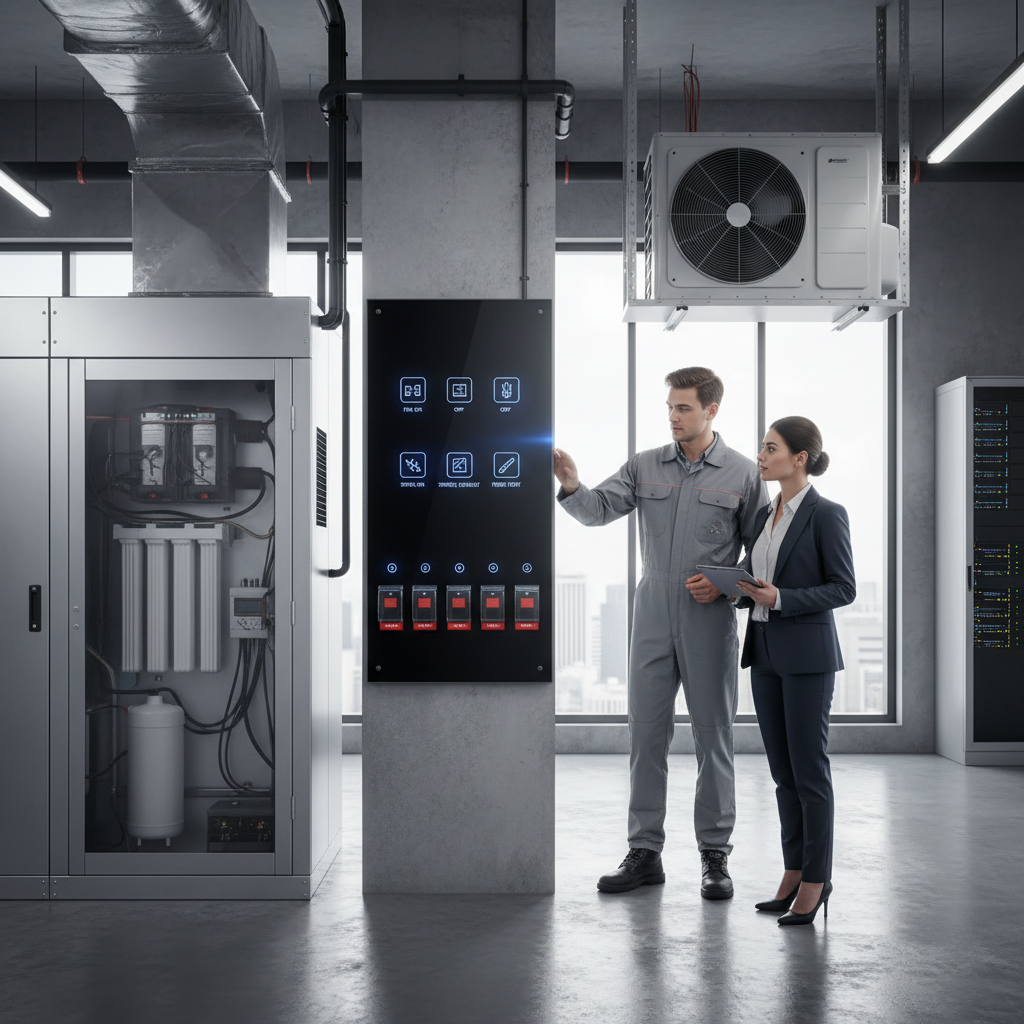
Essential Ventilation System Components for Fire Zones
Special ventilation parts create important barriers in fire zones. Fire dampers are a must-have. These devices close on their own when they sense heat. They stop fire and smoke from spreading through ducts. This helps divide the building into fireproof sections.
Fire-rated fans are also very important. These strong fans keep working even in high heat. They pull smoke and heat out of affected spots very well. This makes it easier for emergency crews to see. It also lowers heat stress on building parts. Special HVAC systems use these parts to control smoke movement exactly. These components are key for advanced fire safety ventilation switchgear solutions.
Synergising Ventilation with Fire Suppression Systems
Ventilation directly makes fire suppression systems work better. It helps remove smoke and lower heat. Both of these often make it harder to put out fires. Good fire safety ventilation switchgear is vital to make suppression systems as effective as possible. For instance, gas fire suppression works best in controlled areas. Too much smoke can absorb the gas, making it less strong.
High heat can also affect how dense the suppressant is and how it spreads. Good smoke extraction takes out smoke. It also brings down the room temperature. This lets the fire-fighting agent get right to the fire. It keeps the concentration perfect for putting out the fire. This team effort means quicker, better fire control. It improves how well fire safety ventilation switchgear works overall.
Airflow Management and Environmental Control in Critical Areas
Careful airflow management is key in critical electrical rooms. It's a central part of fire safety ventilation switchgear. These rooms often hold switchgear and delicate electronics. Keeping temperatures steady stops equipment from getting too hot. Overheated switchgear parts can break down, possibly starting fires. Good airflow systems prevent hot spots and uncontrolled heating.
Controlling humidity matters just as much. High humidity can cause water to form on electrical parts. This leads to short circuits or electrical arcs. If humidity is too low, it can raise static electricity risks. Keeping humidity between 40-60% is often advised. This range greatly cuts down on risks, following industry rules. Right airflow also cuts down on dust. This stops electrical pathways from forming and improves fire safety ventilation switchgear results.
Fire safety in switchgear areas goes beyond just design. It also needs constant rule-following. And we must ensure critical equipment always works.
Compliance, Critical Equipment, and Continuous Operational Safety
Key Standards and Regulations for Switchgear Fire Safety
Following fire safety standards is a must for fire safety ventilation switchgear setups. These rules make sure equipment runs safely. They also greatly reduce fire risks in switchgear areas. International Electrotechnical Commission (IEC) standards are used everywhere. For example, IEC 61439 sets rules for low-voltage switchgear. This standard helps fire safety by guiding how enclosures are built and how faults are protected.
IEC 60364 is another vital international standard. It covers electrical wiring inside buildings. This includes specific rules for fire protection in electrical rooms. It looks at things like where cables run and how easily materials burn. In the UK, BS 7671 (IET Wiring Regulations) builds on IEC ideas. This standard gives detailed rules for safe electrical setups. This helps stop electrical fires.
These rules often require specific ventilation plans. They make sure switchgear heat escapes properly. Overheating is a frequent cause of electrical fires. Good fire safety ventilation switchgear also stops risky smoke and gas from building up. Following these rules is essential. It sets the basic level for electrical systems that can resist fire. For example, the BSI says good separation and fire-rated walls are key. They stop fire from spreading between sections. Sticking to these guidelines is basic for strong fire safety ventilation switchgear systems.
Ensuring Uninterrupted Operation of Essential Safety Systems
When a fire happens, vital safety systems must keep working. Strong ventilation design directly protects these key parts. For instance, emergency smoke fans must stay on. These fans clear smoke, making it easier to see for evacuations and firefighters. Other crucial systems include fire suppression controls, emergency lights, and communication setups.
Ventilation systems protect these assets in many ways. They stop smoke and too much heat from harming sensitive electronics. Dedicated fire safety ventilation switchgear makes sure these safety systems work well. For example, fire-rated ducts help air keep flowing even in extreme heat. This lets smoke extractors run for longer.
Important places, like hospitals or data centers, need constant power from switchgear. A strong fire safety ventilation switchgear system protects the switchgear itself. It also keeps other vital systems safe, like Uninterruptible Power Supplies (UPS) and backup generators. Extra systems and combined active/passive fire protection, as groups like the FPA highlight, build overall strength during emergencies. This complete approach is key for power system safety.
About This Article
Editorial Disclosure: This article was researched and written by our content team to provide helpful, accurate information about fire safety ventilation switchgear. We regularly review and update our content to reflect the latest industry developments and best practices.
