


Introduction: Precision Control for Ventilation Efficiency
For modern industrial and commercial buildings, a 3-phase motor controller for ventilation is a must-have. These devices give you incredibly precise speed control. They dramatically improve how well your ventilation systems work. Plus, with smart airflow, you'll see real energy savings. This guide will show you their key benefits for many different uses.
Understanding Your 3-Phase Motor Controller for Ventilation
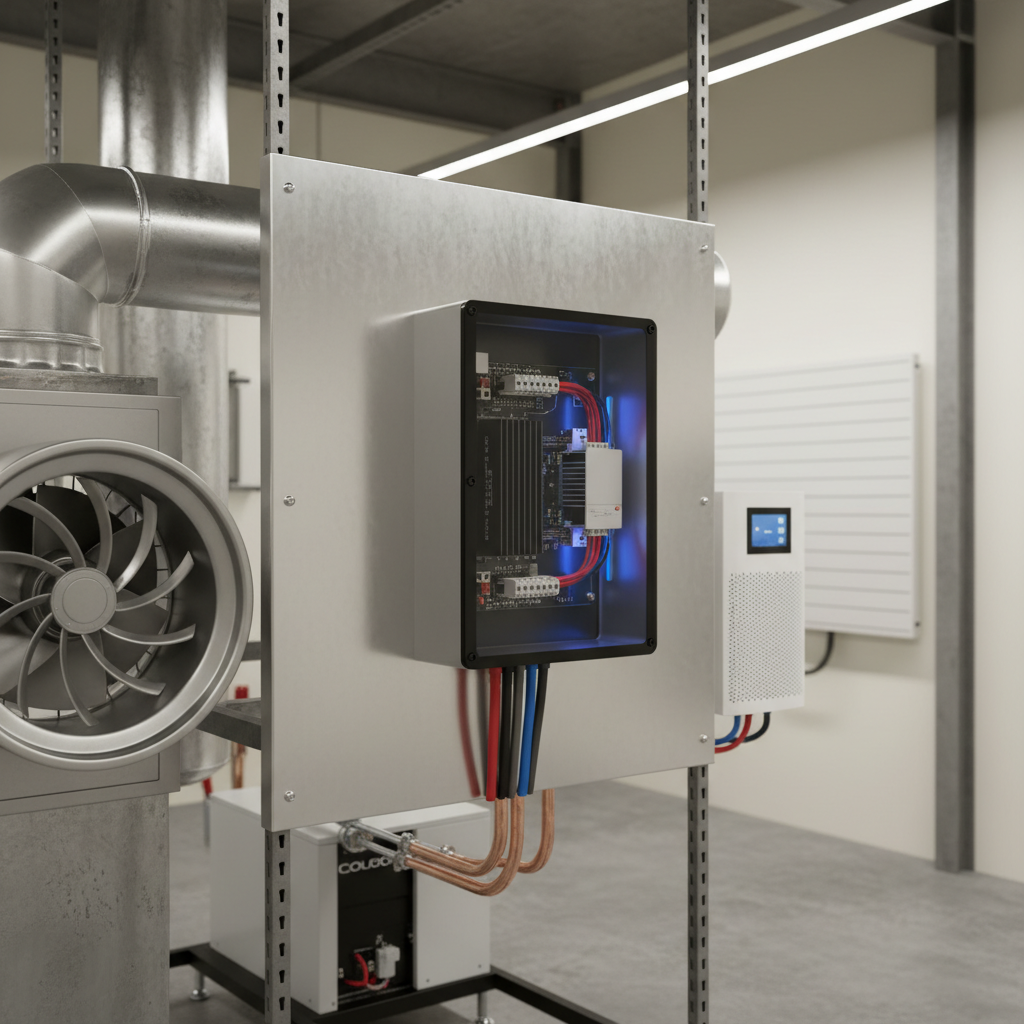
Big ventilation systems usually run on strong three-phase motors. These powerful motors push huge amounts of air. A 3-phase motor controller for ventilation is a key piece of electrical equipment. It carefully handles the power going to these motors.
This precise control makes sure your ventilation system runs both efficiently and safely. It's vital for things like industrial fans and big commercial air handling units. Similarly, a smoke extract fan controller is crucial for fire safety. Basically, these controllers are crucial for getting the best performance.
The primary job of a 3-phase motor controller is controlling motor speed and torque. It adjusts the electricity's frequency and voltage. This exact tuning lets you manage airflow dynamically. Imagine slowing a fan overnight; a controller makes that possible.
This ability drastically cuts down on energy use. In fact, industry reports suggest optimizing fan speed can slash energy use by up to 50%. Those kinds of savings are really important for your operational budget.
Besides changing speed, these devices also protect your motor. They shield it from possible damage. Overload protection is a common feature. This stops too much current from hurting the motor's internal wires.
Protection against too much or too little voltage ensures stable running. It guards your motor from power spikes or dips in the grid. This simply helps your motor last much longer.
Lots of today's controllers use Variable Frequency Drives, or VFDs. A VFD converts standard AC power into variable frequency power. This lets motors change speed smoothly and constantly. "Soft starting" is another important feature.
Soft starting slowly increases the motor's power. It prevents sudden jolts when the system begins. This protects both the motor and other components. It also cuts down wear on mechanical parts.
Soft starting eases mechanical stress on many parts. Think of belts, bearings, and fan blades. It also lessens electrical surges on your power supply. This helps the whole ventilation system last longer.
Without the right controller, big three-phase motors would run poorly. You'd also risk equipment failing much sooner. So, these controllers are really key for dependable ventilation. They make your system last longer and save you money.
Benefits of a 3-Phase Motor Controller for Ventilation
Good ventilation needs exact control of how air moves. 3-phase motor controllers for ventilation give you that crucial precision. They let systems change to fit different conditions and needs. This flexibility really makes operations run much better.
Today's buildings often use advanced controllers to get top performance. These devices manage powerful three-phase motors. You'll find them commonly in factories and commercial spaces. Knowing how they work helps you design the best system.
Variable Frequency Drives: The Gold Standard for Ventilation
Variable Frequency Drives, or VFDs, are top-tier motor control options. They precisely manage the speed of three-phase AC induction motors. This control adjusts both the frequency and voltage of the electricity. It then goes straight to your motor.
First, VFDs change the incoming AC power into DC. Next, an internal inverter turns that DC back into variable AC power. This clever process guarantees really precise motor control. It lets you make very specific adjustments.
This advanced method gives you extremely detailed control of motor RPM. In ventilation, VFDs match fan speed to the exact air demand. This stops fans from running full-speed when it's not needed. For instance, a system can slow down overnight or when few people are around.
VFDs react to real-time information from sensors. These sensors can measure temperature, CO2 levels, or static air pressure. This constant adjustment creates perfect air quality and comfort. That's why VFDs are great for big HVAC systems and industrial exhaust fans.
Beyond Speed Control: Comprehensive System Advantages
Using a 3-phase motor controller for ventilation brings many upsides. These advantages are more than just changing speed. They really affect how your whole system performs and its cost. Businesses gain better efficiency and reliability in their operations.
Energy efficiency is a huge plus. When a VFD slows a fan, power use plunges dramatically. This happens because power for fans and pumps follows specific 'affinity laws.' Even a small speed cut saves a lot of energy.
Just cutting fan speed by 20% can lower power use by almost 50%. Lots of industry studies confirm this. That means big cuts in your electricity bills. It also shrinks your operation's carbon footprint.
Motors lasting longer is another big benefit. VFDs include soft start and soft stop features. This means the motor slowly gets up to speed. It also comes to a gentle stop.
This smooth action reduces stress on the motor's mechanics. It helps all the attached equipment too. Parts like belts, bearings, and ductwork wear out less. This prevents unexpected failures and cuts long-term repair costs.
Less noise also makes workspaces or living areas much better. Slower fan speeds mean less wind noise. This is a huge plus in commercial buildings, hospitals, or factories. Quieter running improves comfort and lessens noise pollution.
Finally, soft start/stop features protect your whole electrical system. They stop those big power surges when a motor kicks on. These surges happen with direct motor starts. Such spikes can strain power grids and cause voltage drops.
By slowly adding power, controllers keep electrical operations stable. This also protects other delicate equipment. It lessens stress on your power distribution systems. These features offer significant advantages.
Key Considerations for Selecting Ventilation Motor Controllers
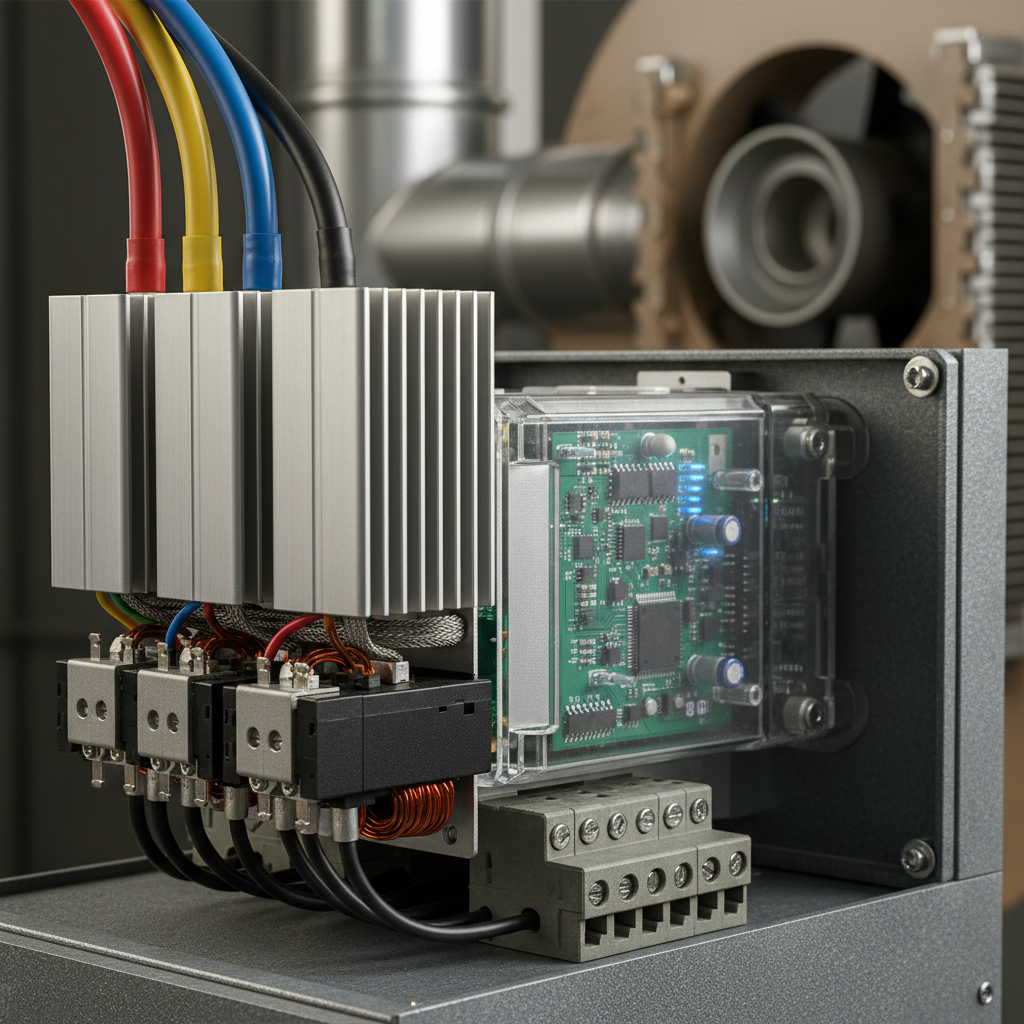
Picking the right 3-phase motor controller for ventilation is super important. It guarantees both system efficiency and lasting reliability. You need to understand technical specs. It also means knowing exactly what your system needs.
This choice will impact your running costs. It also affects how your whole system performs. A smart decision saves money and gets better results. So, think carefully about your specific setup.
Matching the Controller to Your Motor and System Requirements
Start by checking your motor's specific details. Look at its horsepower or kilowatt rating, voltage, and full-load current. The controller must safely meet or beat these numbers. A controller that's too small will trip often and fail early.
A controller that's too big often costs more than you need. So, choosing the exact right size is critical. Good matching ensures efficient and dependable operation. It also stops your system from becoming unbalanced.
Think carefully about your environment. Dusty, wet, or very hot places need a controller with the right IP rating. For example, corrosive air requires special protective housings. This keeps the device safe from harm.
Your operational needs also matter. Do you need variable speed for exact airflow changes? Then a Variable Frequency Drive (VFD) is absolutely essential. VFDs give you excellent control, adapting easily to changing demands.
Other key features include soft start/stop. These reduce mechanical stress on your fans. Overload protection also guards the motor from too much current. Some setups even benefit from reverse direction choices.
Protocols like Modbus or BACnet let you link controllers to bigger building systems. This improves overall control and monitoring. Many places really want energy efficiency. VFDs save huge amounts by optimizing fan speeds for demand.
Common Applications for Enhanced Ventilation Performance
Three-phase motor controllers are crucial in many industries. They offer exact control and efficiency for various ventilation systems. These devices boost performance and energy management. Their ability to do so much is a big advantage.
Industrial exhaust systems gain a lot from these controllers. They handle big fans for fume hoods, dust collectors, and factory ventilation. This keeps air quality safe. It also stops energy from being wasted.
In commercial HVAC, controllers run air handling units (AHUs). They manage how air moves through big buildings. This makes sure tenants are comfortable. It also cuts down on heating and cooling expenses.
A 2023 BSRIA study showed intelligent HVAC controls. They could cut energy use by as much as 30%. This really proves their financial value. These systems make buildings perform much better.
Farms and agriculture also depend on these controllers. They manage ventilation in animal barns and greenhouses. This keeps temperature and humidity just right. It helps animals thrive or crops grow well.
For example, poultry farms use exact controls. These stop birds from getting too hot. Data centers use controllers to manage fan speeds. They keep temperatures within very tight limits.
This protects sensitive IT gear from overheating. Car parks and tunnels use them for vital CO2 and smoke removal. Controllers turn on powerful jet fans during normal operation. They also activate them during emergencies.
Explore High-Performance Ventilation Control Solutions
Managing industrial and commercial ventilation well is critical. Modern three-phase motor controllers offer big benefits. They do much more than just turn things on or off. These smart solutions give you exact control over airflow.
This translates into impressive energy savings. A strong control plan makes your system more reliable. It also boosts how efficiently it runs. This offers real long-term value.
Variable Speed Drives (VSDs) are a core part of this. They precisely adjust motor speed to meet ventilation needs. Soft starters cut electrical and mechanical stress when starting up. This helps your motors last longer.
It also helps all connected equipment. These technologies combine for top performance. They give your system lasting reliability. Think about these for your next upgrade.
Integrated control panels provide one central spot for management. They bring many functions together into a simple system. This lets managers track performance live. You can spot problems fast and fine-tune operations.
These solutions ensure your ventilation runs at its best. They also mean you won't need constant manual tweaks. This saves both time and money. It makes managing your facility much easier.
Picking the best control solution is a smart investment. It improves air quality and keeps environments comfy. It also helps businesses hit their sustainability goals. This is vital for today's operations.
Look into different ways to upgrade your current setup. Find solutions that offer exact environmental control. Seek out long-term savings for your specific needs. Make a smart choice for better results.
Conclusion: Enhancing Your Ventilation System with Smart Control
3-phase motor controllers for ventilation give you exact, energy-saving control. They are key to getting the best airflow in industrial places. Investing in these systems offers benefits that last. Find out more about industrial climate control for your company.
About This Article
Editorial Disclosure: This article was researched and written by our content team to provide helpful, accurate information about 3-phase motor controller for ventilation. We regularly review and update our content to reflect the latest industry developments and best practices.
