


Maintaining a safe working temperature in a large warehouse is a difficult task. Cold conditions impact staff productivity and can damage temperature-sensitive inventory. Finding the best electric fan heater for warehouse offers a powerful, targeted solution. This guide explains key factors for choosing the right model, covering power requirements and critical safety features for industrial environments.
Table of Contents
- Understanding Warehouse Heating Challenges in the UK
- Why Electric Fan Heaters Are an Excellent Solution for Industrial Spaces
- Decisive Factors When Selecting the Best Electric Fan Heater for Warehouse
- Exploring Different Industrial Electric Fan Heater Technologies
- Strategies for Maximising Energy Efficiency and Cost Savings
- Best Practices for Installation and Operation
- Product Showcase: Finding the Best Electric Fan Heater for Warehouse Needs
- Frequently Asked Questions About the Best Electric Fan Heater for Warehouse
- Conclusion: Powering Efficient and Safe Warehouse Environments
Understanding Warehouse Heating Challenges in the UK
Heating a UK warehouse brings unique, costly challenges. Vast spaces are hard to keep warm; heat rises to high ceilings, leaving workers cold. This "thermal stratification" means standard heating often fails to warm important areas. Many older buildings also have poor insulation, letting heat escape through metal cladding and concrete floors.
Warehouses constantly lose heat due to operations. Large roller doors open often for deliveries, quickly replacing warm air with cold. The UK's cool, humid climate makes this worse, needing robust heating. Raising an inadequate system's thermostat just wastes energy and raises costs.
Health and safety regulations add complexity, with the HSE recommending 16°C for less strenuous work. Maintaining this minimum is vital for staff welfare, especially during cold snaps. The best electric fan heater for warehouse use offers targeted, efficient heat. This warms people and workstations, not just empty space, requiring careful planning.
Why Electric Fan Heaters Are an Excellent Solution for Industrial Spaces

Electric fan heaters offer a straightforward, effective way to warm large areas. They operate simply: an internal heating element, often ceramic or a wire coil, heats up fast. A powerful fan then blows air across it. This "forced convection" rapidly circulates warm air, perfect for warehouse heating.
A main benefit is rapid, targeted warmth for specific zones like packing stations or break areas. An electric fan heater provides immediate comfort exactly where needed. This avoids costly full-building heating, crucial for high ceilings or busy loading doors. This focused approach is efficient and practical for dynamic industrial environments.
Installation simplicity is a key advantage. Unlike gas systems, most electric fan heaters need no complex pipework, flues, or storage. Portable models plug in instantly, while larger three-phase units, though needing wiring, are less disruptive than boilers. This offers flexible heating without major structural changes, ideal for leased properties.
Finally, these heaters operate cleanly, without fumes. Gas heaters produce combustion byproducts like carbon monoxide, needing ventilation. An electric fan heater for warehouse use produces no emissions where it operates. This improves indoor air quality, simplifies safety compliance, and helps maintain comfortable temperatures without contaminants.
Decisive Factors When Selecting the Best Electric Fan Heater for Warehouse
Choosing the right electric fan heater means more than just power. Warehouse managers must evaluate several technical and practical factors. A careful assessment ensures safe operation, energy efficiency, and effective heating. This informed decision prevents costly mistakes and creates a better working environment.
Sizing Your Heater: BTU, Wattage, and Space Considerations
Selecting the correct heater size is the most critical first step. An undersized unit runs constantly without reaching the desired temperature, while an oversized one wastes electricity. The right size is about heating power, measured in Watts (W) or British Thermal Units (BTU). One Watt generates about 3.41 BTU of heat per hour.
Simple rules for standard rooms don't work for high-ceiling warehouses. Instead, heating calculations must use the total space volume. A reliable UK industry method measures cubic volume, using length, width, and height. Then, apply a factor based on insulation quality.
- Poor Insulation: 50-60 Watts per cubic metre (W/m³). This applies to older buildings with corrugated metal walls and frequent drafts.
- Average Insulation: 30-40 W/m³. This suits modern industrial units with some insulation.
- Good Insulation: 20-25 W/m³. This is for new, well-sealed buildings with high-quality insulation.
Let's consider an example calculation for proper sizing. Imagine a warehouse 20m long by 15m wide with a 6m ceiling. Its volume is 1,800 m³. For average insulation, using 35 W/m³, the required power is 63,000 Watts (63 kW). This calculation gives a strong baseline for choosing your heater(s).
Electrical Power Requirements and Infrastructure
Industrial electric fan heaters have significant power demands. Standard electrical outlets usually can't meet these. Before choosing, confirm your warehouse has the right electrical infrastructure. Most heaters above 3kW need a three-phase 400V supply, common in industrial settings.
The heater's amperage rating is also vital. High-wattage heaters draw a large current, requiring a dedicated, high-capacity circuit; for example, a 45kW unit can draw over 65 Amps. A qualified electrician must assess your building's electrical panel and wiring to ensure safe load handling. Running a powerful heater on an inadequate circuit is a serious fire hazard and violates IET Wiring Regulations (BS 7671).
Durability and Construction for Demanding Environments
Warehouses are harsh environments with dust, moisture, and machinery impacts. Your heater needs to withstand these conditions for a long life. Look for units with robust, heavy-gauge steel casings, avoiding plastic ones. A powder-coated or enamelled finish guards against corrosion and scratches, ensuring long-term performance.
Ingress Protection (IP) ratings show durability against solids and liquids. An IP24 rating protects from objects over 12.5mm and water splashes from any direction. For dusty or damp areas, a higher IP54 rating offers superior reliability. The quality of internal components, like the fan motor and heating elements, also determines continuous use endurance.
Crucial Safety Features for Industrial Operations
Safety is a non-negotiable priority in any workplace. Industrial-grade electric fan heaters must have multiple safety mechanisms to protect staff and property. A fundamental feature is automatic overheat protection; this internal thermal cutout instantly shuts off power. It acts if the unit's internal temperature exceeds a safe limit, preventing damage and fire risk.
For portable models, an essential tip-over switch automatically deactivates the heater if knocked over, mitigating fire risk. All heaters should also feature a sturdy safety grille covering elements and fan blades to prevent accidental contact or burns. Always ensure any prospective heater carries the CE mark. This confirms it meets European health, safety, and environmental protection standards.
Advanced Control Systems for Precision and Savings
Modern heaters offer sophisticated controls, improving comfort and energy efficiency. An adjustable thermostat is the most important feature, letting you set a specific target temperature. The heater then automatically cycles on and off to maintain it. This simple function prevents overheating, drastically reducing wasted electricity compared to continuous running.
Programmable timers offer another layer of control and savings. You can schedule the heater to switch on before employees arrive and turn off after the last shift. This ensures comfort without heating an empty building. Remote controls are invaluable for large or mounted units, and some systems integrate with a Building Management System (BMS) for full energy oversight.
Portability, Mounting, and Strategic Placement
The heater's form factor determines its best use. Portable units, with wheels and handles, offer excellent flexibility. They can move to provide targeted spot heating for workstations or supplement primary systems. Their versatility makes them a popular choice for many applications.
Fixed heaters can mount on walls or ceilings, saving valuable floor space and reducing forklift damage risk. Strategic placement is crucial for effective heating. A ceiling-mounted unit pushes warm air downwards, while one near a loading bay acts as an air curtain to combat cold drafts. Adjustable louvres direct heated airflow precisely where it's needed most.
Managing Noise Levels in the Workplace
While heating is primary, noise significantly impacts the work environment. High noise levels can hinder communication and reduce employee concentration. The HSE states prolonged exposure to loud noise is a workplace hazard. A heater's noise output is measured in decibels (dB).
A quiet office is around 40 dB, but an industrial fan heater can easily produce 60-70 dB or more. While unlikely to cause hearing damage alone, it adds to overall warehouse noise. When comparing models, look for a lower dB rating. Heaters with larger, slower-spinning fan blades tend to be quieter, producing a less intrusive sound.
Exploring Different Industrial Electric Fan Heater Technologies

Choosing an electric fan heater for a warehouse involves more than just power ratings. The heating technology inside significantly impacts safety, efficiency, and performance. Different systems suit specific industrial environments and tasks. Understanding these differences helps you select the most effective solution for your space.
Many modern industrial heaters use Positive Temperature Coefficient (PTC) ceramic elements. These advanced heaters are self-regulating; their electrical resistance increases automatically as they warm. This built-in safety feature prevents overheating, crucial in dusty warehouse settings. PTC models provide fast, consistent warmth, ideal for targeted heating at workstations or smaller offices.
Conventional heaters often rely on metal resistance coils or finned tubular elements. A powerful fan forces air across these super-heated components, rapidly warming the space. These units produce very high temperatures and significant airflow, making them powerful for large, open warehouse bays. Their high surface temperature needs careful placement away from combustibles, a point stressed by HSE guidance.
A third category combines infrared heating with fan assistance for specialized applications. These units warm objects and people directly using radiant heat, not just the air. This approach is highly effective in high-ceiling buildings or those with persistent drafts. A fan then circulates warmed air, improving comfort and distribution without wasting energy on empty space.
Strategies for Maximising Energy Efficiency and Cost Savings
Operating an industrial heater efficiently goes beyond just the unit. It involves a strategic approach to your entire warehouse environment. Even the best electric fan heater for a warehouse will waste energy in a poorly managed space. Smart operational tactics are essential for controlling overheads by retaining heat, using it wisely, and optimizing equipment.
Seal the Building Envelope
Your first priority should be to minimize heat loss. Significant warmth escapes through poorly insulated roofs, walls, and loading bay doors. The Carbon Trust states comprehensive insulation can reduce heating costs. Start by finding weak points with professional thermal imaging surveys to quickly pinpoint where heat bleeds out.
Address loading docks using fast-action roller doors or PVC strip curtains for an effective barrier. Ensure all windows and skyllights are properly sealed or double-glazed. Sealing gaps and cracks around pipes and frames is low-cost, yet highly effective. A well-sealed building holds onto generated heat much longer.
Implement Smart Heating Controls and Zoning
Heating an entire empty warehouse to a comfortable temperature is incredibly wasteful. Instead, divide the space into distinct zones based on activity. Packing stations and staff break areas need consistent warmth, while storage aisles can stay cooler. Use programmable thermostats to control each zone independently.
Schedule heating to match your operational hours. Modern systems pre-heat work areas before a shift and power down when empty, ensuring comfort without wasted heating. Integrating heaters with a central Building Management System (BMS) offers maximum control. This allows real-time adjustments based on occupancy and outside temperatures, slashing energy consumption.
Optimize Heater Placement and Airflow
The physical location of your fan heaters directly impacts their effectiveness. Ensure units are not placed where airflow is blocked by racking, stock, or machinery. Warm air needs a clear path to circulate throughout the intended zone. For large, open areas, multiple smaller units often provide more efficient, even heat distribution and prevent cold spots.
Direct airflow towards occupied workstations, avoiding empty spaces. Some advanced models offer adjustable louvres for precise control. Regularly check and clean fan blades and intake vents, as dust and debris reduce airflow. This forces the unit to work harder, consuming more electricity for the same result.
Best Practices for Installation and Operation
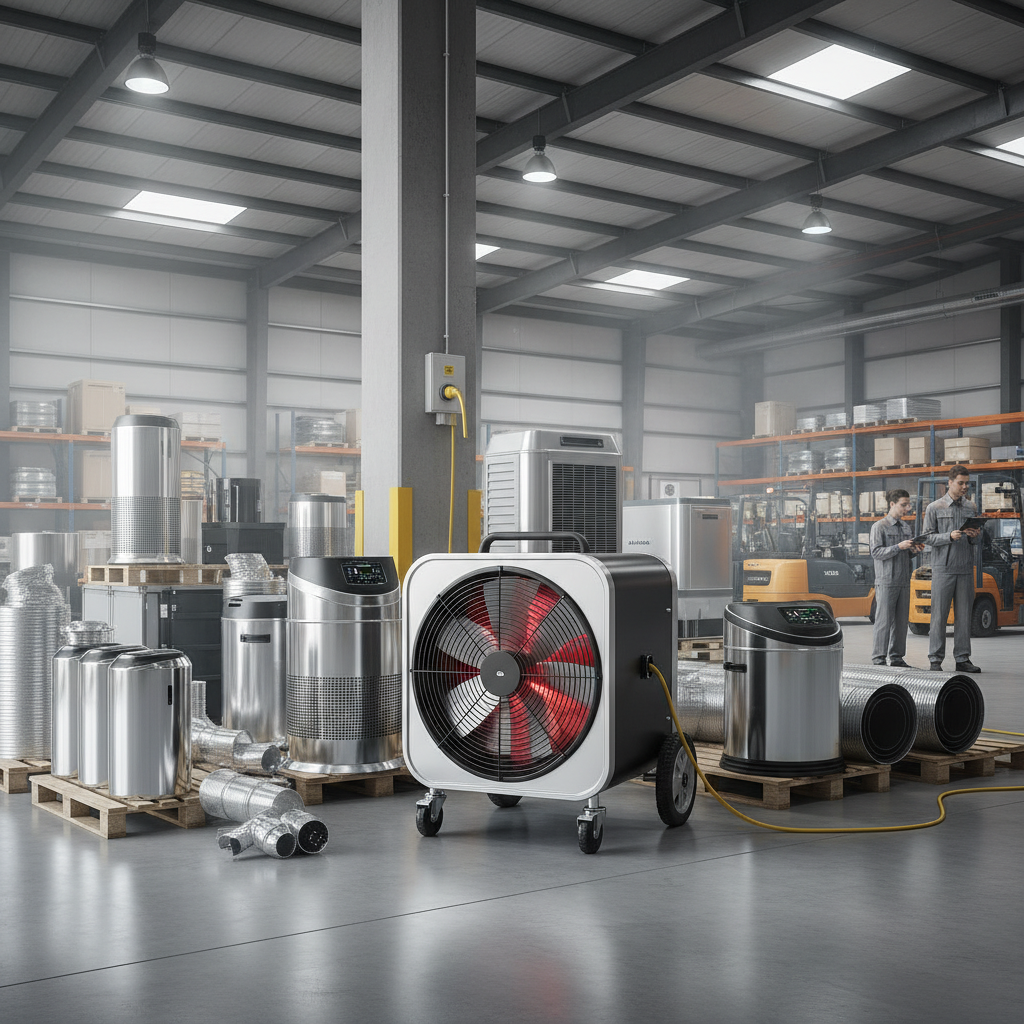
Properly installing and operating your electric fan heater is vital. It directly impacts safety, energy efficiency, and overall effectiveness. A well-placed heater works smarter, not harder. Following these key principles ensures you get the most from your equipment and maintain a secure work environment.
Electrical Safety and Connections
High-output warehouse heaters have significant power demands. For hardwired units, use a qualified electrician for installation; this is not a DIY task. In the UK, all work must comply with BS 7671 IET Wiring Regulations. Improper installation creates serious fire hazards and may void your business insurance.
These powerful heaters require a dedicated electrical circuit. They cannot run safely from a standard wall socket using an extension cord. For instance, a 15kW three-phase heater needs a specific industrial power supply. Overloading a circuit leads to tripped breakers or, worse, electrical fires, so always confirm your building's wiring can handle the heater's amperage.
Strategic Placement for Airflow Optimisation
Where you place your heater determines how effectively it warms your space; poor positioning wastes energy. Aim the heater’s airflow toward specific work zones where staff are most active. Avoid pointing units directly at large, frequently opened loading bay doors. This allows valuable heat to escape instantly.
Consider mounting options to improve heat distribution. Wall-mounted units save floor space and can angle downwards to target cold spots. Always maintain a clear zone around the heater, as the HSE advises keeping combustibles away from heat sources. Allow at least one to two metres of clearance to ensure safe operation and unrestricted airflow.
Efficient Day-to-Day Operation
Use built-in thermostats and timers to control energy consumption. A programmable thermostat maintains a steady, comfortable temperature without constant manual adjustments, significantly reducing costs. Timers pre-heat work areas before a shift, ensuring the space is warm for staff. Regularly inspect fan blades and intake grilles for dust, as heavy buildup restricts airflow and can become a fire hazard. The 17kW Square Duct Electric Heater 400V 3 Phase is a powerful option for larger spaces, offering robust heating capabilities ideal for industrial environments.
Essential Maintenance for Longevity and Performance
Consistent maintenance is vital for industrial electric fan heaters. It ensures they run safely and efficiently, extending the unit's operational life. A simple, repeatable schedule prevents costly breakdowns and downtime. This protects your investment over time.
Start with weekly visual inspections by your on-site team. Ensure a clear space of at least one meter around every heater to prevent overheating and reduce fire risks. Listen for unusual sounds like rattling or grinding from the fan motor. Check grilles and casing for damage or debris.
Warehouses often generate significant dust which can clog heater components, forcing the fan motor to work harder. The HSE warns that accumulated combustible dust poses a serious fire hazard. Power down and disconnect the unit. Then, carefully clean fan blades and internal elements quarterly to maintain airflow and safety.
Electrical components demand expert attention. A qualified electrician should inspect all wiring, terminals, and connections annually to ensure compliance with standards like the UK's Electricity at Work Regulations 1989. Professional servicing also includes motor lubrication. It calibrates thermostats for peak performance.
Finally, maintain a detailed maintenance log for each heating unit. Record every inspection, cleaning session, and professional service date. Note any issues found and the specific actions taken. This record helps track performance over time and anticipate future needs.
Navigating Compliance and Safety Standards in the UK
Choosing an industrial heater needs careful attention to UK regulations. Ensuring compliance protects staff, property, and business from serious risks. Failure to meet standards results in significant fines and may invalidate commercial insurance policies. Understanding legal requirements is a top priority for any warehouse manager.
All new industrial heating equipment sold in Great Britain must display the UKCA mark. This certifies the product meets the UK's high safety, health, and environmental protection standards. It is the legal successor to the European CE mark for this market. Always verify this mark before installation; it assures suitability for a commercial environment.
Electrical safety is crucial and governed by strict codes. The IET Wiring Regulations (BS 7671) set the national standard for electrical installations. Many high-output warehouse fan heaters require dedicated circuits and professional installation. The HSE recommends regular inspection and testing to ensure your system handles the electrical load, preventing overloads and fire hazards.
Employers have broader obligations under the Health and Safety at Work etc. Act 1974, including conducting risk assessments for new equipment. For an electric fan heater, consider placement and ensure sufficient clearance from combustible materials. Secure all cabling to eliminate trip hazards. Select heaters with suitable Ingress Protection (IP) ratings, like IPX4 for splash resistance or IP65 for robust dust protection.
Product Showcase: Finding the Best Electric Fan Heater for Warehouse Needs
Choosing the best electric fan heater for a warehouse means matching equipment to the specific space and task. A small heater for a workstation won't suffice in a vast facility. This showcase explores several high-performance heater categories, detailing their features, benefits, and ideal environments. Each type offers a unique solution for maintaining a safe, productive working temperature.
1. The Compact Portable Heater for Targeted Spot Heating
For smaller, defined areas, a compact portable heater is an excellent choice. These units provide immediate warmth exactly where needed, perfect for individual packing stations or small offices. Their mobility allows staff to easily move them to address cold spots throughout the day. This flexibility avoids heating an entire warehouse for just one comfortable area.
Key Features: These heaters typically operate on a standard 240V single-phase supply, plugging into any domestic socket for versatility. Most units offer about 3kW heat output, often featuring a durable steel body, integrated thermostat, and multiple heat settings. A fan-only mode provides air circulation, and safety is paramount, so look for automatic thermal cutouts.
Ideal Applications: This heater excels at task-specific heating, keeping staff at workbenches or quality control desks comfortable. It's also effective for maintenance, like drying small patches of paint or plaster. In large facilities, deploy several units to create cost-effective comfort zones without permanent installation.
Considerations: A compact heater's primary limit is its reach; it's not designed to raise a large warehouse's ambient temperature. Its effectiveness is confined to a few metres. While portable, always ensure power cables do not create a trip hazard.
2. The Wall-Mounted Heater for Unobstructed Floor Space
When floor space is limited, a wall-mounted heater offers a powerful, permanent solution. These units fix to a wall or ceiling, staying clear of foot traffic and machinery, making them safe and practical. They suit busy corridors, loading bays, and assembly lines. By directing warm air downwards, they effectively distribute heat over a targeted area.
Key Features: Wall-mounted heaters are more powerful than portable ones, with outputs from 5kW to over 15kW. They need professional installation, hardwiring into the building's electrical system. An adjustable mounting bracket is crucial for aiming airflow, and many models come with a remote or wall-mounted controller and adjustable louvres.
Ideal Applications: Consider this heater where a floor-standing unit causes obstruction, like above doorways to create a warm air curtain and reduce drafts. In packing or production zones, they provide consistent warmth for stationary workers, keeping workspaces clear. These heaters help maintain the HSE-suggested 16°C in specific zones. The Airius Standard Model 45/EC Destratification Fan is an energy-efficient air circulation fan suitable for industrial warehouse and commercial HVAC air mixing.
Considerations: Their fixed location means less flexibility than portable models, and initial installation requires an electrician, adding upfront cost. Plan their position carefully to ensure optimal heat distribution. Avoid heating empty spaces or stored goods unnecessarily.
3. The High-Velocity Floor Blower for Large Open Areas
For heating large, open-plan warehouse spaces, a high-velocity floor blower is a strong contender. These robust units move a massive volume of air, projecting warmth over long distances. This makes them effective at circulating heat throughout a substantial area. Their power and airflow raise ambient temperature, creating a more comfortable workforce environment.
Key Features: These industrial heaters have large-diameter fans and powerful motors, generating high airflow measured in CFM. Power outputs commonly range from 10kW to 20kW. They are built for durability, featuring heavy-gauge steel casings, sturdy wheels, and handles. Multiple heat settings, a fan-only option, and an adjustable thermostat ensure efficient year-round utility.
Ideal Applications: This is often the best electric fan heater for a warehouse that is large, open, and has high ceilings, suiting distribution centers or workshops. Strong airflow combats heat stratification where warm air gets trapped at the ceiling. Constant air movement creates a more uniform temperature. This can lead to significant energy savings, as noted by the Carbon Trust. The Airius Standard Model 45/EC Destratification Fan provides a powerful and energy-efficient solution for air circulation in industrial warehouse settings.
Considerations: Due to powerful fans, these units can be noisier, potentially concerning areas where communication is critical. They also have a larger physical footprint. These units require a dedicated industrial power socket, like a 32A supply.
4. The Three-Phase Industrial Heater for Maximum Power
When maximum heat output is the top priority, a three-phase industrial heater is the choice. These are the most powerful electric fan heaters available, engineered for demanding environments. They run on a 415V three-phase electrical supply, providing power for massive heating elements and fans. Examples include huge, poorly insulated warehouses or buildings in extreme cold.
Key Features: Heat outputs typically start at 20kW and can exceed 40kW, with rugged construction to withstand industrial rigors. Features include oversized heating elements, powerful axial fans, and advanced safety controls like multi-stage thermal protection. Many units move with a forklift or pallet truck. Some even offer connections to external thermostats for precise management.
Ideal Applications: These heaters suit very large-scale uses, like aircraft hangars, massive factories, and agricultural storage. They are also excellent for frost protection, keeping temperatures above freezing to protect valuable stock. During construction, they provide temporary heat, allowing work like plastering to continue in cold weather.
Considerations: The primary need is access to a three-phase power supply, common in industrial properties but not smaller commercial units. Their energy consumption is significant, leading to higher running costs. Due to immense power, careful placement planning is essential for safe and efficient operation. The 17kW Square Duct Electric Heater 400V 3 Phase is designed for powerful heating in industrial settings, featuring overheat protection and stainless steel elements.
5. The Ductable Heater for Precise Heat Distribution
A ductable fan heater offers a unique solution for complex heating challenges. Instead of blowing hot air into a single open space, these units connect to flexible ducting. This channels warm air to multiple specific locations, even hard-to-reach areas or separate rooms. All this comes from one central heating unit, a highly efficient approach for specialized applications.
Key Features: The defining feature is one or more spigots for attaching flexible ducting. These heaters have high-pressure fans, effectively pushing air through long ductwork. Power ratings vary widely based on model size and intended use, often coming in durable, stackable cases for easy transport. Placing the main unit outside also reduces noise for occupants.
Ideal Applications: Ductable heaters are invaluable in the events industry for heating marquees and temporary structures. In construction, they dry flooded buildings or cure concrete, directing heat precisely where needed. For warehouses with multiple small offices or partitioned areas, one unit can heat each space. This avoids the expense of installing multiple separate heaters.
Considerations: Ducting reduces airflow and efficiency, with longer runs resulting in greater heat loss. Setting up ducting adds complexity compared to a simple plug-and-play heater. Always use the correct ducting type and diameter recommended by the manufacturer. This ensures safe and effective performance.
Frequently Asked Questions About the Best Electric Fan Heater for Warehouse
Here we answer common questions about choosing and using an electric fan heater for warehouse spaces. These insights help managers make informed decisions on heating solutions. Selecting the best electric fan heater for warehouse operations often involves these key considerations.
How much does it cost to run an electric warehouse heater?
The running cost depends entirely on three factors: the heater's power rating in kilowatts, its daily run time, and your business electricity tariff. You can calculate the daily cost with a simple formula. Multiply the power rating by the hours of use. Then, multiply by your cost per kilowatt-hour (kWh).
For example, a 15kW heater running for an eight-hour shift consumes 120 kWh. If your business tariff is £0.25 per kWh, the daily cost is £30. Ofgem data shows UK business tariffs vary significantly. Always check your specific rate for an accurate cost estimate before buying.
How do I choose the right size (kW) heater for my warehouse?
Selecting the correct power output is crucial for effective heating. A common industry rule allows 1kW of power for every 10 square metres of floor space. This assumes a standard ceiling height of about 3 meters and average insulation. However, this is only a starting point for selection.
You must consider other variables like high ceilings, poor insulation, or frequently opened shutter doors, which need more power. The desired temperature rise is also a factor; raising it by 15°C needs far more energy than by 5°C. For precise calculations, a professional heating survey is often the most reliable method.
What is the difference between single-phase and three-phase heaters?
The main difference lies in the power supply they require. Single-phase power is the standard 230V supply found in UK homes and small commercial units. Heaters running on this are typically less powerful, usually up to about 3kW, plugging into a standard heavy-duty wall socket.
Three-phase power provides a 400V supply, common in industrial and large commercial buildings. This runs heavy machinery. An electric fan heater for warehouse use with high output almost always needs a three-phase connection for stable, efficient power flow. A qualified electrician must install the required outlet.
Can I use an extension lead with a large electric fan heater?
For high-power industrial fan heaters, never use a standard extension lead. These heaters draw a very high electrical current, or amperage. Standard extension cables are not designed to handle such a heavy load. The HSE warns that underrated cables can overheat, melt, and cause a serious fire hazard.
Powerful heaters require a direct connection to a suitably rated industrial socket. If the unit's power cord is too short, hire a qualified electrician. They can install a new, appropriate socket closer to the desired location. Safety should always be the top priority in all operations.
What kind of maintenance does a warehouse fan heater need?
Electric fan heaters need minimal but important maintenance. This ensures safety and efficiency. Proper care significantly extends the unit's operational life. A simple, repeatable schedule helps prevent costly breakdowns and downtime.
Before each cold season, arrange for a competent person to inspect fully, including electrical connections, heating elements, and thermostat function. During regular use, operators should perform weekly visual checks for obstructions to air inlet or outlet grilles, as blockages can cause overheating. If a dust filter is present, clean it monthly or as per manufacturer specifications. Keeping the unit clean prevents dust from burning, improving air quality and performance.
Conclusion: Powering Efficient and Safe Warehouse Environments
Choosing an effective electric fan heater for a warehouse is a crucial operational decision. The right unit does more than just provide warmth; it protects inventory from cold damage and improves staff productivity. A durable, correctly sized heater ensures energy isn't wasted, directly impacting your bottom line. Always prioritize models with robust safety features and construction suited for demanding industrial spaces.
By carefully matching a heater's output and features to your specific needs, you create a safer, more efficient workplace. This investment pays dividends in operational uptime and team morale. Explore our curated range of industrial heaters to find the ideal solution for your facility. Finding the best electric fan heater for warehouse operations can transform your working conditions.

17kW Square Duct Electric Heater 400V 3 Phase
This powerful 17kW electric heater is designed for industrial ventilation systems, operating on a 400V 3-phase supply. It features overheat protection and durable stainless steel heating elements for reliable performance in demanding environments.
$1,083.11
View Product →This article features products from our store. As the retailer, we may earn from qualifying purchases.

Airius Standard Model 45/EC Destratification Fan Ceiling Destratification Fan
This 175W energy-efficient air circulation fan is ideal for industrial warehouses and commercial HVAC systems, designed for 13–15m ceilings with a high airflow of 2190 m³/h.
$1,771.20
View Product →This article features products from our store. As the retailer, we may earn from qualifying purchases.
Airius Standard Model 45/EC Destratification Fan Ceiling Destratification Fan
This 175W energy-efficient air circulation fan is ideal for industrial warehouses and commercial HVAC systems, designed for 13–15m ceilings with a high airflow of 2190 m³/h.
$1,771.20
View Product →This article features products from our store. As the retailer, we may earn from qualifying purchases.
17kW Square Duct Electric Heater 400V 3 Phase
This powerful 17kW electric heater is designed for industrial ventilation systems, operating on a 400V 3-phase supply. It features overheat protection and durable stainless steel heating elements for reliable performance in demanding environments.
$1,083.11
View Product →This article features products from our store. As the retailer, we may earn from qualifying purchases.
About This Article
Editorial Disclosure: This article was researched and written by our content team to provide helpful, accurate information about best electric fan heater for warehouse. We regularly review and update our content to reflect the latest industry developments and best practices.
Commercial Disclosure: This article features products available in our store. As the retailer, we may earn from qualifying purchases made through product links in this article. This does not influence our editorial recommendations.
